Monday, April 6, 2015

red dot week 11

 the cherry on ice cream 

the red dot on the stove


Read Comments

Tuesday, March 31, 2015

red dot week 10

the red dot on telephone

the red dot on camera
Read Comments

Wednesday, March 25, 2015

final project: Bangkok, Thailand

1. Memorial

Memorial bridge
The Memorial Bridge is a bridge over the Chao Phraya River in BangkokThailand, connecting the districts of Phra Nakhon and Thonburi.
The bridge was opened on 6 April 1932,[1] by King Prajadhipok (Rama VII) in commemoration of the 150th anniversary of the Chakri Dynasty and the foundation of Bangkok, shortly before the Siamese Coup d'état on 24 June 1932. In English the bridge is commonly known as Memorial Bridge, however in Thai it is most commonly known as Phra Phutta Yodfa Bridge, after King Buddha Yodfa Chulaloke (Rama I), the first king of the Chakri Dynasty.

Tsunami Memorial Sculpture, Krabi
The Asian tsunami on December 26th 2004 claimed over 220,000 lives. In Thailand, over 5,000 people were killed.

The sculpture entitled ‘Hold Me Close’ is the work of elderly French artist Louise Bourgeois. In 2005, Bourgeois described the meaning behind her work:
‘This tragedy reminds us how fragile our lives are and how little we can do except to hold onto each other. These hands say I will not let you go, but do not abandon me. Keep your grip. Hold me close forever and ever.’
Phraya Singhanatracha

 Located at the foot of Doi Kong Mu in Mae Hong Son’s city is Phraya Singhanatracha Memorial. He was the first governor of Mae Hong Son province. Phraya Singhanatracha is a Thai Yai native from Burma ( Myanmar) and he was regarded by the people as the governor of Khun Yuam Town, which was to the south of Mae Hong Son. Later, he was officially appointed as the governor of Mae Hong Son by the King of Lanna in 1874. 


2. Death

Traditional funeral


When somebody dies, the corpse is kept 7 days in the house before the cremation. During six evenings, monks come and pray. On the coffin, light garlands and a picture of the deceased person can be found. For poorer people, the dead body can be cremated between 3 to 7 days. The formalin used to reduce body decomposition is expensive for poor people.
Guests come, often dressed with dark clothes and sometimes a white shirt. Everybody greet each other. Waiters offer water or coke. From the first to the sixth day, monks come every evening around 7 p.m. On the seventh day cremation happens during the afternoon. Usually 4 monks are coming during the evening prayers. But number can vary depending on the status and rank of the deceased person. Then they summon incantations in Pali language during 30 minutes. When prayers are over, a car brings the monks back to their temple.


carrying coffin to buddhist temple

Food is then offered to every guest. Everybody is chatting. Even during the monks prayers, some people are still chatting. Atmosphere is not so sad, there are no loud tears. Family, relations, neighbours and even unknown people to the family can assist to those prayers. Sometimes an old and famous monk is present but doesn't take part in the ceremony. His presence indicates that the deceased person had a high rank.
On the contrary of foreign countries, funeral ceremony is ,not a sad event. Everybody talk. For Buddhist people, death is only a passage to next life. Corpse is burned to allow the spirit to escape

 funeral coffin

3. Live

 In Thailand, people celebrate their birthday by many ways. Besides, the normal ways are, having dinner with families, hanging out with friends, blowing birthday candle, making wish, and eating birthday. Some people celebrate their birthdays by going to temple for making merit. Releasing is one of the most common things in Thailand to do birthday. There is one belief that is releasing turtle will make you so people thing their lives will be flowing without any obstacle. And some release birds because they believe they will have more freedom just like birds flying everywhere freely.

Celebrating birthday in Thailand, in the very Thai way, is to do something good, both for you and for others. It will bring you the better fortune for upcoming year of your age. However, you can also go for party, it is also acceptable.


Read Comments

Monday, March 9, 2015

red dot week 9

the red button on car's key

the red light of traffic lights

Read Comments

red dot week 8

the chemical bond

the red flower

Read Comments

Saturday, February 28, 2015

Project 2 Cities Bangkok: Eyes - opener

Stereotypes

  1. Gender surgeon in Bangkok.
Every year, there are 12 million people come to Bangkok for traveling. They have a lot of reasons to come here such as traveling and commerce. Especially, when gay or lesbian people come to Bangkok, everybody thinks that they will have gender surgeon. Since Bangkok is the most famous about homosexual and gender surgeon. Furthermore, Homosexual in Bangkok are crowd and popular, they are become commercial style in Bangkok. 
 

Stereotypes for Guys
1) Most Thai guys drink a lot, and often. 
This stereotype is generally true for a good majority of Thai men. They like to drink when they go out to socialize. Heavy social drinkers, you can say.
 2) Most Thai guys smoke.
This stereotype is definitely not as true as their drinking habits, but a decent amount do smoke. Based on the highly scientific study that I just made up today, I’d say 30%+ smoke socially.
Interestingly, if you tell Thais you don’t smoke or drink, they’ll be approving/surprised/impressed. They’ll still smoke/drink, but they’ll consider you a good person that you don’t.
 Stereotypes for Women
 A good girl is never alone with a man. A bad girl has tattoos.
This is one of the older stereotypes that’s changing, so some strongly believe this and some don’t. Some Thai women, if you ask them out on a date, they’ll bring several friends with them on the date. From the western point of view this can be extremely confusing, no? It’s considered inappropriate to be alone together. It’s still common to look down on women who go to bars and have tattoos. Fortunately, although unlike in the past, it’s no longer assumed that Thai women seen with foreign men are prostitutes.

Myths 

1. The ice will kill you

Not many Thais drink tap water. Nor do they make ice with it, so there's really no need to spend your holiday drinking warm Coke. 
If you're worried about contamination, the safest thing to do is look for the circular ice cubes with a hole through the middle. These ones are made in a factory with filtered water and are perfectly safe for consumption.  
Most wait staff are so accustomed to tourists not wanting ice they automatically leave it out of drinks. On the other hand, many beer-drinking Thais like to toss a few cubes into their mugs so if you go to an outdoor bar the waitress will likely pass you a bucket of ice with your bottle of Singha.
2. All solo male travelers are sex tourists
If you’re male and traveling alone, don’t be surprised if people assume you’re in Thailand for sex. 
Even if you stay out of the red light zones, you may find yourself getting propositioned by ladies of the night. Or just on the receiving end of looks and winks from fellow travellers.    
3. Everyone is out to scam you
Sure, Thailand has its scam artists. And when the 99th Bangkok tuk-tuk driver has tried to get you into a suit shop or tells you the Grand Palace is closed, it can certainly feel like you’re in a nation of money-grubbing leeches whose sole purpose in life is to rob you blind. 
But if you head out of the major tourist zones and arm yourself with some pre-trip research on the most popular scams, you’ll find most Thais are an incredibly welcoming bunch, happy to give directions, practice their English or recommend their favorite dish.
This is particularly true in less-traveled regions like Isaan, in Thailand's northeast.
4. Everything in Thailand is dirt cheap
In the 1990s, you could find decent guestrooms in Bangkok for less than 10 bucks a night. Times have changed. The backpackers might still be there, along with some of Bangkok's cheapest rooms, but gentrified Khao San Road isn't the gritty center of bargains it once was.   
That said, accommodation prices are still incredibly reasonable –- even the five-star brands cost far less than you’d pay in places like Tokyo, Hong Kong or Singapore. 
The thing to remember is that if you live like a local you can enjoy Thailand cheaply. That means eating street/shophouse food and not going to high-end nightclubs serving 400-baht cocktails.
As for shopping, if you want to hunt around for cheap goodies stick to the markets or bargain shopping malls like MBK and avoid the brand names.
You’re not going to find bargains on luxury goods in malls like Siam Paragon. In fact, you’re probably going to pay more than you would at home due to Thailand’s high import taxes
 5. You can always buy your way out of trouble 
It has been said that some Thai police officers will accept a few wads of cash from drivers looking to get out of a traffic violation. Or worse.
But few of the boys in brown will pass up a chance to pounce on a tourist caught buying/smoking/snorting/smuggling drugs, particularly in party havens like Koh Pha Ngan, where illegal substances are known to be a big part of the full moon party culture. 
Most people have seen enough "locked up in Thailand" book covers and documentaries to know that drugs are illegal here, yet some still choose to take the risk and pay dearly. 
 6. Thailand is not kid-friendly
Thailand has a reputation for being a haven for sin seekers, but in reality it's full of fantastic family activities. In fact the locals have a real soft spot for kids, so warn your child he/she may be subjected to plenty of cheek pinching. 
Even Pattaya, the worst offender in terms of sleaze, has its fair share of kid-friendly fun like go-karts, water parks and amusement parks.
Most of the major hotels in Thailand are well-equipped for families, offering kids' clubs and babysitters. 
One word of advice though: leave the stroller home if possible. Some of Bangkok's sidewalks are barely walkable, let alone conducive to evening strolls with the pram. Your kid will either vomit or fall asleep as you bounce over random holes and uneven sidewalks. 
7. By giving money to street kids, you are helping them
It can be tempting to give money to beggars on the street, especially young kids selling flowers or candy. But don’t do it.
As a report in Monday's Bangkok Post explains, many are victims of human trafficking gangs that cart people in and out of the city to tug on the heart strings of tourists and locals. The kids don't see any of that cash. 
Instead, give money or time to one of the many local organizations trying to help Thailand's less fortunate. Check out Thaicharities.org for a full list.  
source: http://travel.cnn.com/bangkok/visit/7-myths-about-traveling-thailand-078726
            http://blogs.transparent.com/thai/the-stereotypical-thai-gender-roles/
From this assignment, I have a chance to know about a new city - Bangkok, Thailand. Although, I have not come to Bangkok, I understand about their culture, society and people. Moreover, I can learn a way to search information about a new city, before I come. It is very useful because I will not be sock culture. In future, maybe I will travel to another cities to work or live, so I can apply this assignment to have basic preparations such as searching primary information, enjoying real-life, and learning their lifestyle, politic and economy about a new city.


Read Comments

Wednesday, February 25, 2015

project 2 cities: Bangkok, Thailand - How people live


  • Lifestyle: The local people are hospitable and very friendly to tourists. Bangkok is often called "the city of smiles" for open and welcoming attitude to visitors. The manner of behavior of local residents may seem rather strange to tourists - even during the hot dispute they do not raise their voices. Visitors should also communicate with the local people in a soft and calm voice. The Thais are very sensitive to their homes, so when entering a house either hosts or guests always take their shoes off. Speaking of the manner of communication, we should definitely mention the local body language. While communicating with the locals any contact (friendly hug or patting on a shoulder) is simply not allowed. Men are can be welcomed with a handshake. If you want to say hello to a person on a distance, simply lay your palms at a chest level - this gesture means a warm welcome.

  • Languages in Thailand
    The Thai language is comprised of 44 consonants, 32 vowels and five tones in Thai pronunciation, along with a script that has Indian origins. The Thai language, belonging to the Tai family, is the main language in Thailand although there are several regional dialects as well.  Other languages spoken in Thailand are Chinese, Lao, Malay and Mon-Khmer, while English use is becoming more prevalent in government and commerce. English is also being taught as a second language in secondary school and universities, which enables the English speaking visitor in Thailand to have little trouble conversing
  • Religion: Buddhism
    Thailand is a stronghold of Buddhism. Buddhists believe that life does not begin with birth and end with death, but rather that every person has several lives based upon the lessons of life not yet learned and acts committed (karma) in previous lives. Buddhists believe that selfishness and craving result in suffering and that compassion and love bring happiness and well-being. The true path to peace is to eliminate all desire, a condition which Buddhists define as 'nirvana', an indescribable state free of desire, suffering, or further rebirth, in which a person simply is, and is completely at one with his surroundings. Buddhism is practised in Thailand by over 90% of the population.
  • Transportation in Bangkok:


  • Currency: baht, 1 baht = $0.031
  • Typicall house

  • Cost of living: http://www.numbeo.com/cost-of-living/city_result.jsp?country=Thailand&city=Bangkok


Entertainment  
  1. Bowling and karaoke
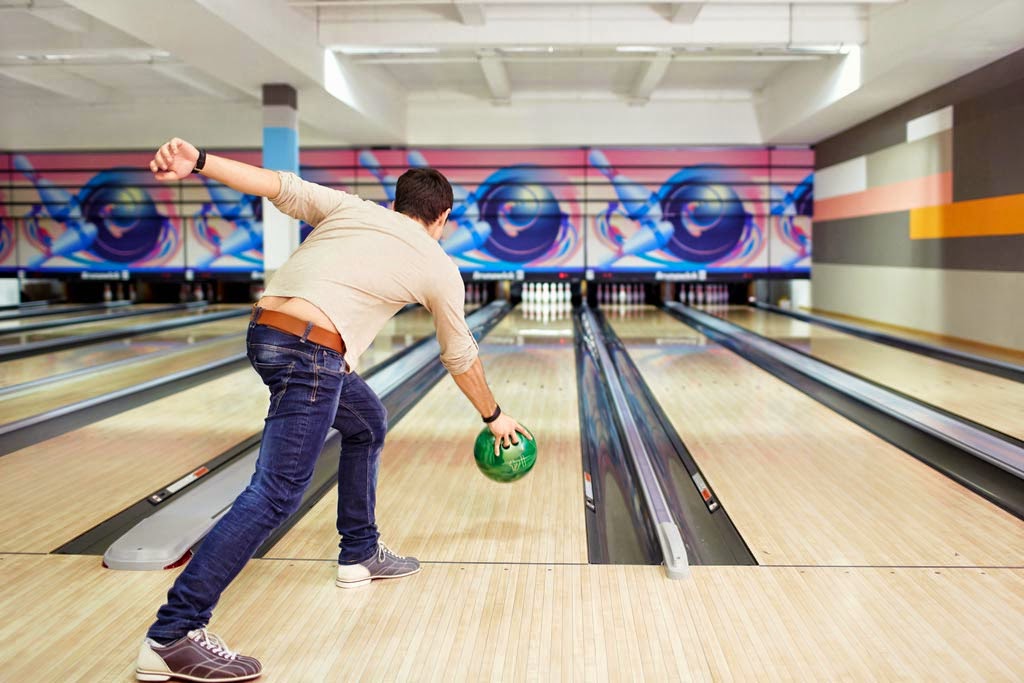
Cinemas, bowling alleys, and karaoke usually go hand in hand in most shopping malls. If you feel like showing off your vibrato, or consecutive strikes, just stay where you are and you can have it all!
2. Cinema in Bangkok

Undeniably one of the greatest and most-enjoyed forms of entertainment, cinema-going offers an experience ideal for the whole family. Let's face it, nothing comes close to sharing popcorn while watching the latest offering from Hollywood. Home to the best and biggest cinemas in this region, Bangkok is becoming a hub for modern 'cineplexes', where sleek bowling alleys as well as modish karaoke facilities are often included.
3. Bangkok ice skating

Beat Bangkok's heat and stage your own holiday on ice at the city's many rinks. An ideal (and fun) way to spend time with your family, ice skating provides non-stop thrill for kids and parents alike. Remember to wear something warm and comfortable. Long, thick socks, jeans, and gloves are recommended as they will cushion against unexpected fall

Read Comments